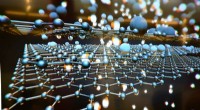
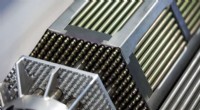
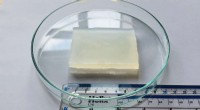
Filtration is the most common method of water purification. It uses a physical barrier to remove suspended solids, such as dirt, dust, and bacteria, from water. Filters can be made of a variety of materials, including sand, gravel, activated carbon, and ceramic.
2. Distillation
Distillation involves boiling water and then condensing the steam to produce pure water. Distillation is effective at removing almost all impurities from water, including minerals, salts, and organic compounds.
3. Reverse osmosis
Reverse osmosis (RO) uses a semipermeable membrane to remove impurities from water. RO systems work by forcing water through the membrane, which traps impurities on one side. RO is effective at removing a wide range of impurities, including minerals, salts, organic compounds, and bacteria.
4. Ion exchange
Ion exchange is a process that uses resin beads to remove dissolved ions from water. The resin beads are coated with ions that exchange places with the ions in the water. Ion exchange is effective at removing a variety of ions, including calcium, magnesium, sodium, and potassium.
5. Chlorination
Chlorination is a process that uses chlorine to disinfect water. Chlorine kills bacteria and other microorganisms by damaging their cell walls. Chlorination is effective at preventing the spread of waterborne diseases, such as cholera and typhoid fever.
6. Ozonation
Ozonation is a process that uses ozone to disinfect water. Ozone is a powerful oxidizing agent that kills bacteria and other microorganisms by destroying their cell walls. Ozonation is effective at preventing the spread of waterborne diseases, such as cholera and typhoid fever.
7. Ultraviolet (UV) disinfection
UV disinfection is a process that uses ultraviolet radiation to disinfect water. UV radiation damages the DNA of bacteria and other microorganisms, preventing them from reproducing. UV disinfection is effective at preventing the spread of waterborne diseases, such as cholera and typhoid fever.