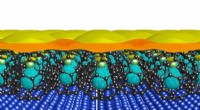
At supersonic speeds, the air flowing over the aircraft's surface can reach temperatures of several hundred degrees Celsius, causing the molecules on the surface to vibrate intensely. This intense vibration weakens the chemical bonds holding the molecules together, leading to their eventual breakup.
As these molecules break apart, they enter a highly reactive state and can undergo various chemical reactions with other molecules in the surrounding air. This process, known as surface recombination, can lead to the formation of new chemical species that may not be stable under normal conditions.
Some of the specific challenges that arise from this phenomenon include:
1. Material degradation: The chemical reactions that occur on the aircraft's surface can degrade the materials used in its construction, compromising their strength and integrity. This degradation can weaken the aircraft's structural components, potentially leading to catastrophic failures.
2. Loss of aerodynamic performance: The surface reactions can alter the aerodynamic properties of the aircraft's surface, affecting its lift and drag characteristics. This can lead to reduced stability and maneuverability, making it more difficult for the pilot to control the aircraft.
3. Formation of harmful gases: Some of the chemical reactions that take place during supersonic flights can release harmful gases, such as nitric oxide (NO) and nitrogen dioxide (NO2). These gases can pose health risks to both the crew and passengers and contribute to air pollution.
4. Plasma generation: At extremely high temperatures and pressures, the reacting gases can reach a state of ionization, forming a plasma. This plasma can interfere with the aircraft's electronic systems, potentially causing malfunctions and loss of control.
To address these challenges, aerospace engineers employ various strategies, such as the use of advanced materials resistant to high temperatures and chemical reactions, the development of thermal protection systems to manage heat, and the optimization of aircraft design to minimize aerodynamic heating effects.