The sulfur cycle begins with the release of sulfur from the Earth's crust through volcanic activity, the weathering of rocks, and the decomposition of organic matter. This sulfur can then be taken up by plants and used to synthesize proteins and other compounds. When plants are eaten by animals, the sulfur is passed up the food chain.
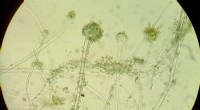
Eventually, the sulfur in organic matter is released back into the environment through decomposition. Bacteria and fungi break down organic matter, releasing sulfur compounds into the air and water. These compounds can then be taken up by plants and animals, or they can be converted into sulfate, which is a form of sulfur that is easily dissolved in water.
Sulfate can be transported through the environment by water and wind. When sulfate enters the ocean, it can be used by marine organisms to synthesize proteins and other compounds. Sulfate can also be reduced to sulfide, which is a form of sulfur that is toxic to many organisms.
The sulfur cycle is an important process that helps to regulate the amount of sulfur in the environment. Sulfur is an essential nutrient for all living things, but it can also be harmful in high concentrations. The sulfur cycle helps to keep sulfur levels in balance, ensuring that all organisms have the sulfur they need to survive.
Here are the main steps of the sulfur cycle:
* Release of sulfur from the Earth's crust: Sulfur is released from the Earth's crust through volcanic activity, the weathering of rocks, and the decomposition of organic matter.
* Uptake of sulfur by plants and animals: Plants and animals take up sulfur from the environment through their roots and leaves.
* Incorporation of sulfur into organic matter: Sulfur is incorporated into organic matter when plants and animals synthesize proteins and other compounds.
* Decomposition of organic matter: Bacteria and fungi break down organic matter, releasing sulfur compounds into the air and water.
* Conversion of sulfur compounds to sulfate: Sulfur compounds can be converted to sulfate through a variety of processes, including oxidation by bacteria.
* Transport of sulfate through the environment: Sulfate can be transported through the environment by water and wind.
* Uptake of sulfate by marine organisms: Marine organisms can take up sulfate from the water and use it to synthesize proteins and other compounds.
* Reduction of sulfate to sulfide: Sulfate can be reduced to sulfide by bacteria and archaea.
* Release of sulfide into the environment: Sulfide can be released into the environment through a variety of processes, including the decomposition of organic matter and the activity of bacteria.