Home
Chemistry
Astronomy
Energy
Nature
Biology
Physics
Electronics
Science
>>
Science Discoveries
> >>
Chemistry
Gasoline Bonds: Covalent or Ionic? Understanding Chemical Bonding
Gasoline is a nonpolar covalent compound, meaning its bonds are formed by sharing electrons between atoms, rather than a complete transfer of electrons from one atom to another.
N2 + 3H2 → 2NH3: Balanced Chemical Equation & Reaction Details
Xenon Properties: Boiling Point, Melting Point & Phase Behavior
Chemistry
Innovative Biosynthetic Pathway Paves Way for Future Natural Product Discovery
Scientists Unveil Innovative Technique for Measuring Atoms
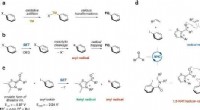
Aryl Radical Formation via N‑Heterocyclic Carbene‑Catalyzed Cleavage of Aryl Halides
Science Discoveries
First Successful Brain Surgery on Fur Seal Tries to Cure Hydrocephalus
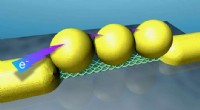
DNA‑Based Single‑Electron Devices Pave Way for Next‑Gen Nanoelectronics
Wild Otters Use Regional Odors to Communicate, New Study Finds
Science Discoveries
Chemistry
Astronomy
Energy
Nature
Biology
Physics
Electronics
Geology
Solar Eclipse
Math
other
Nanotechnology
Chemistry
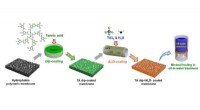
Enhancing Polymer Membranes: The Dip-Coating Advantage
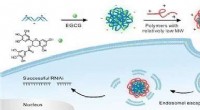
Green Tea Compound Enhances siRNA Cellular Uptake
Revolutionizing Chlorine Production: A Cost‑Effective, High‑Efficiency Catalyst Technique
New Insights into Amyloid Metal Binding Reveal Key Protein Functions
New Research Reveals Effective Strategies to Strengthen Implant-Bone Integration
Scientists Build the Lightest 3D Metal‑Organic Framework from Just Two Simple Components
|
Geology
|
Math
|
Solar Eclipse
Science Discoveries © www.scienceaq.com