Other molecules that can form hydrogen bonds include:
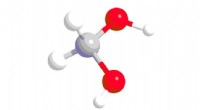
* Alcohols: Alcohols (R-OH) can form hydrogen bonds between the hydrogen atom of the hydroxyl group (-OH) and a lone pair of electrons on the oxygen atom of another alcohol molecule or a water molecule.
* Carboxylic acids: Carboxylic acids (R-COOH) can form hydrogen bonds between the hydrogen atom of the carboxyl group (-COOH) and a lone pair of electrons on the oxygen atom of another carboxylic acid molecule or a water molecule.
* Amides: Amides (R-CONH2) can form hydrogen bonds between the hydrogen atom of the amide group (-CONH2) and a lone pair of electrons on the nitrogen atom of another amide molecule or a water molecule.
* Ketones: Ketones (R-C(=O)-R') can form hydrogen bonds between the hydrogen atom of the carbonyl group (C=O) and a lone pair of electrons on the oxygen atom of another ketone molecule or a water molecule.
* Aldehydes: Aldehydes (R-CHO) can form hydrogen bonds between the hydrogen atom of the carbonyl group (C=O) and a lone pair of electrons on the oxygen atom of another aldehyde molecule or a water molecule.