Moles of Nitrogen (N) = Mass/Molar Mass
= 50g/14g/mol
= 3.57 mol N
Now, let's analyze the stoichiometry of the balanced chemical equation:
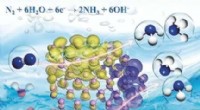
1 mole of N2 reacts with 3 moles of H2 to produce 2 moles of NH3.
To determine the limiting reactant, we need to compare the mole ratio of N and H2 in the equation with the mole ratio of N and H2 available.
Assuming we have an excess amount of hydrogen (H2), let's calculate how many moles of NH3 can be produced from 3.57 mol of N.
From the balanced equation:
2 moles of NH3 are produced from 1 mole of N2.
So, 3.57 mol N will produce (2/1) * 3.57 mol NH3
= 7.14 mol NH3
Now, we need to convert moles of NH3 back to grams to determine the amount produced. The molar mass of NH3 is 17g/mol.
Mass of NH3 produced = Moles of NH3 * Molar Mass of NH3
= 7.14 mol * 17g/mol
= 121.38 g NH3
Therefore, 50g of nitrogen (N) can produce approximately 121.38g of ammonia (NH3).