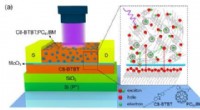
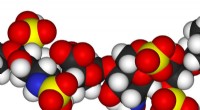
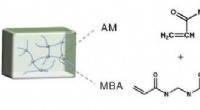
Chemisorption involves the formation of covalent bonds between the organic molecule and the semiconductor surface. This type of bonding is typically strong and results in a stable interface. Chemisorption can occur when the organic molecule has functional groups that can react with the semiconductor surface, such as hydroxyl (-OH) or carboxyl (-COOH) groups. For example, when a hydroxyl-terminated organic molecule is brought into contact with a semiconductor surface, the hydroxyl group can react with the surface to form a covalent bond, resulting in the chemisorption of the organic molecule to the semiconductor surface.
Physisorption involves the adsorption of organic molecules to the semiconductor surface through weak van der Waals forces. This type of bonding is typically weaker than chemisorption and can be disrupted by heat or solvents. Physisorption can occur when the organic molecule has a large molecular weight or a high surface area, which increases the number of van der Waals interactions between the molecule and the surface. For example, a long-chain hydrocarbon molecule can physisorb to a semiconductor surface through van der Waals interactions between the hydrocarbon chain and the surface.
Hydrogen bonding involves the formation of hydrogen bonds between the organic molecule and the semiconductor surface. This type of bonding is typically weaker than chemisorption but stronger than physisorption. Hydrogen bonding can occur when the organic molecule has hydrogen atoms that can form hydrogen bonds with electronegative atoms on the semiconductor surface, such as oxygen or nitrogen atoms. For example, an amine-terminated organic molecule can hydrogen bond to a semiconductor surface through hydrogen bonds between the amine group and the surface oxygen atoms.
The type of bonding that occurs between an organic molecule and a semiconductor surface depends on the chemical properties of both the molecule and the surface. Some organic molecules may bind to a particular semiconductor surface through chemisorption, while others may bind through physisorption or hydrogen bonding. The strength of the bonding between the organic molecule and the semiconductor surface also depends on the specific binding mechanism and the surface conditions.