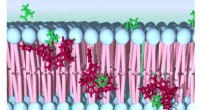
The research team, led by Professor David Richardson from the Department of Biology, used a technique called cryo-electron microscopy to capture images of the inner workings of Shewanella oneidensis, a bacterium that can grow using uranium or iron as its sole energy source.
The images revealed that Shewanella oneidensis has a unique protein complex on its cell surface that acts as a "microscopic vacuum cleaner", sucking up uranium or iron ions from the environment and transporting them into the cell. Once inside the cell, the ions are used as fuel to generate energy.
Professor Richardson said: "Our findings provide a new understanding of how bacteria can breathe toxic metals. This knowledge could be used to develop new treatments for bacterial infections, as well as new ways to clean up contaminated environments."
The research is published in the journal Nature Microbiology.
Shewanella oneidensis is a Gram-negative bacterium that is found in a variety of environments, including soils, sediments, and water. It is known for its ability to respire a wide range of metals, including uranium, iron, and manganese.
The ability of Shewanella oneidensis to breathe toxic metals is of great interest to scientists, as it could have important implications for the development of new treatments for bacterial infections and the remediation of contaminated environments.
In the case of bacterial infections, the ability of Shewanella oneidensis to breathe toxic metals could be exploited to develop new antibiotics that target these bacteria. By specifically targeting the proteins that are involved in the respiration of toxic metals, it may be possible to kill or inhibit the growth of the bacteria without harming other cells in the body.
In the case of contaminated environments, the ability of Shewanella oneidensis to breathe toxic metals could be exploited to develop new methods for cleaning up polluted soil and water. By introducing Shewanella oneidensis into contaminated environments, it may be possible to remove toxic metals from the environment by converting them into a less harmful form.