Reef corals are marine invertebrates that build calcium carbonate skeletons. They live in shallow, tropical waters and are important for biodiversity and tourism. However, corals are threatened by climate change, pollution, and overfishing.
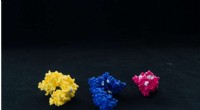
One of the ways that corals protect themselves from the sun's harmful ultraviolet (UV) radiation is by producing pigments. These pigments absorb UV radiation and prevent it from damaging the coral's DNA. Two of the most common pigments produced by corals are purple and pink.
Purple pigments
Purple pigments are produced by a type of coral called Acropora millepora. These pigments are located in the coral's tentacles and help to protect the coral from UV radiation. Purple pigments are also responsible for the coral's characteristic color.
Pink pigments
Pink pigments are produced by a type of coral called Porites lutea. These pigments are located in the coral's skeleton and help to protect the coral from UV radiation. Pink pigments also help to give the coral its characteristic color.
How the pigments work
Purple and pink pigments work by absorbing UV radiation. When UV radiation strikes the pigments, it is converted into heat energy. This heat energy is then dissipated, and the coral is protected from damage.
The pigments are very effective at absorbing UV radiation. In fact, they can absorb up to 99% of the UV radiation that strikes them. This means that the corals are very well protected from the sun's harmful rays.
Importance of the pigments
The pigments that corals produce are essential for their survival. Without these pigments, corals would not be able to protect themselves from UV radiation and would eventually die.
The pigments are also important for the coral's ability to reproduce. When corals reproduce, they release tiny larvae that must swim to find a suitable place to settle. The pigments help to protect the larvae from UV radiation during this critical period.
The pigments that corals produce are a beautiful and important part of the coral reef ecosystem. They help to protect corals from the sun's harmful rays and are essential for the coral's ability to reproduce.