Introduction:
Pesticides play a crucial role in agriculture by protecting crops from pests and diseases. However, their widespread use can have detrimental effects on the environment and human health. Scientists are actively engaged in research to improve pesticide efficiency, ensuring that these chemicals are used judiciously and with minimal ecological impact. This article explores some key scientific investigations focused on enhancing pesticide effectiveness while safeguarding the environment.
1. Precision Application Techniques:
Precision application technologies utilize advanced equipment and sensors to deliver pesticides only where and when needed, minimizing spray drift and reducing the amount of chemicals used. These techniques include:
- GPS-guided sprayers: These systems use satellite navigation to apply pesticides precisely to target areas, reducing the risk of over-application.
- Selective sprayers: These sprayers use sensors to detect weeds or pests and selectively apply pesticides only to affected areas.
2. Biological Control Agents:
Biological control involves utilizing natural enemies of pests, such as predators, parasites, or pathogens, to manage pest populations. This eco-friendly approach reduces the reliance on chemical pesticides and promotes sustainable pest management.
3. Plant Resistance Breeding:
Scientists develop pest-resistant crop varieties through traditional breeding or genetic engineering. These plants have inherent resistance to specific pests or can tolerate their damage, reducing the need for chemical pest control.
4. RNA Interference (RNAi) Technology:
RNAi is a groundbreaking technique that allows targeted silencing of specific genes in pests, potentially leading to their effective control. This technology holds promise for developing pest-specific pesticides that are harmless to beneficial organisms.
5. Nanotechnology for Targeted Delivery:
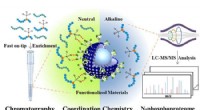
Nanotechnology offers innovative methods to encapsulate pesticides in nano-carriers or nanoparticles. These carriers release the pesticides in a controlled manner, increasing their effectiveness and minimizing environmental impact.
6. Monitoring and Predictive Models:
Researchers develop monitoring systems and predictive models to track pest populations and identify optimal times for pesticide application. These models help farmers time their pesticide treatments precisely, preventing unnecessary spraying.
7. Chemical Modification and Formulation:
Scientists work on modifying existing pesticides or developing new formulations that enhance their efficacy, persistence, and selectivity. This can reduce the overall amount of pesticides used and their environmental impact.
8. Integrated Pest Management (IPM) Strategies:
IPM combines various pest management tactics, including pest monitoring, biological control, and cultural practices, to minimize pesticide reliance. Researchers develop and refine IPM programs tailored to different crops and regions.
Conclusion:
The scientific community is committed to improving pesticide efficiency to ensure sustainable agricultural practices and protect human and environmental health. Through precision application techniques, biological control, plant resistance breeding, and innovative technologies like RNAi and nanotechnology, scientists are developing targeted and environmentally friendly pest control methods. By optimizing pesticide efficiency, we can minimize the use of harmful chemicals, preserve biodiversity, and promote a more sustainable future for agriculture and the environment.