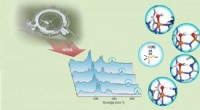
The physics behind. Ice is made up of water molecules that are held together by strong hydrogen bonds. When ice melts, these bonds break and the water molecules become more mobile. This allows the molecules to move more freely and slide past each other, which is why ice feels slippery.
The water-layer-on-ice effect: When an object comes in contact with ice, it melts a thin layer of ice on its surface. This water layer acts as a lubricant, reducing friction between the object and the ice and allowing it to glide more easily. The amount of water on the ice also affects its slipperiness—the more water, the more slippery the ice will feel.
Other factors contributing to slipperiness: The surface roughness and temperature of ice can also affect how slippery it feels. Smoother ice is more slippery than rough ice, and ice at lower temperatures is more slippery than ice at higher temperatures.
To illustrate this, consider the experience of walking on ice compared to walking on other surfaces like concrete or asphalt. Concrete and asphalt have a rougher texture, which creates more friction between the surface and the sole of your shoe. The friction prevents your shoe from sliding easily on these surfaces.
In contrast, the smooth surface of ice and the presence of a water layer reduce friction, making it easier for your shoe to slide and causing that slippery sensation.