The Methane Issue
Cows, while providing us with nutritious milk and meat, have an unintended consequence—methane production. During digestion, they release this gas as a byproduct of breaking down plant matter. Methane has a global warming potential 25 times greater than carbon dioxide, making it a significant contributor to climate change.
Enter Seaweed
Seaweed, abundant in coastal waters, has a remarkable ability to absorb methane. Its intricate structure traps the gas within its cells, preventing its release into the atmosphere. As a result, seaweed has emerged as a promising agent in reducing cow burps and their associated methane emissions.
How It Works
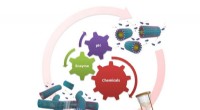
The magic lies in the chemical compounds within seaweed. These compounds interfere with the enzymes responsible for methane production in the cow's rumen, the fermentation vat within their digestive system. By inhibiting these enzymes, seaweed effectively reduces methane emissions.
Seaweed in Practice
Farmers have already begun incorporating seaweed into cow diets. One notable example is the French dairy farm, Ferme de la Hersonnière, which has reported a significant decrease in methane emissions after introducing seaweed to their cows' feed.
Challenges Ahead
While the potential of seaweed is undeniable, challenges remain in its widespread implementation. The cultivation, processing, and transportation of seaweed must be done in a sustainable manner to avoid creating new environmental issues. Additionally, farmers may need to adjust their practices and infrastructure to accommodate seaweed feeding.
A Promising Solution
несмотря на эти проблемы, потенциал водорослей как сдерживающего фактора жвачки коров и связанных с этим выбросов остается многообещающим. Продолжающиеся исследования и инновации имеют решающее значение для раскрытия полного потенциала этого морского чудо-овоща.
Conclusion
As we confront the urgency of climate change, every step, however small, holds significance. Seaweed's ability to curb cow burps offers a unique and natural approach to mitigating methane emissions. By tapping into the power of the ocean, we can create a more sustainable future, one where both cows and the environment can thrive.