1. Natural Processes:
a) Sea Salt Aerosols: When seawater droplets evaporate, tiny sea salt particles are released into the atmosphere. This process is particularly common in coastal areas during strong winds and high waves.
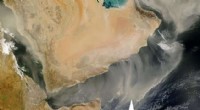
b) Dust Aerosols: Dust aerosols originate from various sources such as deserts, arid regions, and volcanic eruptions. Strong winds can lift and transport dust particles into the atmosphere, creating dust storms and contributing to the formation of dust aerosols.
c) Volcanic Aerosols: Volcanic eruptions emit large amounts of ash, sulfur dioxide, and other volcanic gases into the atmosphere. These emissions can transform into aerosols through chemical reactions and condensation processes.
d) Forest Fire Aerosols: Smoke from wildfires releases a variety of particulate matter and volatile organic compounds (VOCs) into the air, contributing to the formation of aerosols.
e) Biological Aerosols: Biological sources such as pollen grains, fungal spores, bacteria, and viruses can release aerosols into the atmosphere. These are important contributors to allergies and the spread of diseases.
2. Human-Induced Processes:
a) Combustion Aerosols: Burning of fossil fuels, such as in vehicles, power plants, and industrial processes, produces various types of aerosols, including carbon particles (soot), hydrocarbons, and inorganic compounds like sulfate and nitrate particles.
b) Industrial Aerosols: Industrial activities like mining, manufacturing, and construction can release aerosols containing heavy metals, toxic chemicals, and other pollutants into the atmosphere.
c) Biomass Burning Aerosols: Intentional or accidental burning of agricultural waste, grasslands, and forests can generate large amounts of smoke aerosols.
d) Urban Aerosols: Urban areas are sources of various aerosols due to traffic emissions, building heating and cooling systems, cooking emissions, and other human activities.
e) Aircraft Contrails: Aircraft emissions, particularly water vapor and soot particles, can form condensation trails (contrails) in the atmosphere, which behave as aerosols and have an impact on cloud formation.
The characteristics and composition of aerosols can vary significantly depending on the source and the processes involved in their formation. Understanding the formation mechanisms of aerosols is crucial for assessing their environmental impact, including effects on climate, air quality, and human health.