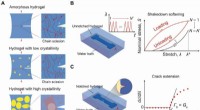
* Adsorption: AFPs adsorb to the surface of ice crystals, which prevents water molecules from attaching and growing the crystal.
* Crystal distortion: AFPs can distort the crystal structure of ice, making it less stable and more likely to melt.
* Hydration: AFPs bind to water molecules and form a hydration layer around the ice crystal, which prevents the crystal from growing further.
AFPs have been found in a wide variety of organisms, including fish, insects, plants, and bacteria. They are typically small proteins, with a molecular weight of around 10-15 kDa. AFPs are composed of a single polypeptide chain that is folded into a compact globular structure. The structure of AFPs is characterized by a high degree of secondary structure, including alpha-helices and beta-sheets.
The ability of AFPs to inhibit the growth of ice crystals is of great interest to scientists and researchers. AFPs could potentially be used to develop new technologies for preventing ice formation in a variety of applications, such as:
* Food preservation
* Pharmaceutical formulations
* Medical devices
* Aerospace applications
Research on AFPs is ongoing, and new insights into their structure and function are being gained all the time. AFPs are a promising tool for developing new technologies to control ice formation, and they could have a significant impact on a variety of industries.