Introduction:
In the realm of chemistry, catalyst play a pivotal role, enabling and expediting vital chemical reactions. Traditionally, the discovery of catalyst has relied on a combination of intuition and trial - and - error expirimentation, often resulting in laborious and time-consuming processes. However, the advent of advanced computing techniques and powerful data analysis tools is transforming the way chemists search for catalyst, promising increased efficiency , precision , and success rates.
Computing revolution in Catalyst Search:
-Computational screening :
With the help of sophisticated computing algorithms , researchers can screen through vast libraries of potential catalyst candidates in silico(computer simulations), narrowing down the search space significantly. This saves valuable time and resources that would otherwise be spent on lab - based experiments.
-Machine Learning and Artificial Intelligence (AI)
Machine learning and AI algorithms can analyse experimental data and identify patterns that are difficult for human researchers to detect. These algorithms can learn from past experiments, continuously improving their predictions over time. This iterative learning process enables catalyst search with remarkable accuracy.
-Atomistic Simulations:
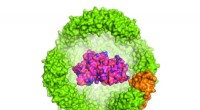
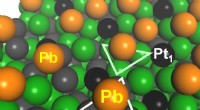
Computing simulations allow scientists to visualise and analyse catalyst at the atomic level. By studying the interactions and behavior of individual atoms within a catalyst, researchers can gain insights into their reactivity and selectivity, enabling more targeted design and modifications.
-High Throughput experimentation and Data Analytics
Computing platforms can integrate and analyse data generated from high - throughput experimentation setups, where multiple catalyst are evaluated simultaneously. This data analytics approach helps identify correlations and trends, guiding researchers towards the most promising catalyst candidates.
-Predictive Modelling:
Computational modelling techniques can predict the performance and properties of catalyst in variuos reaction environments. This enables researchers to optimise catalyst design and performance without extensive lab testing.
-Virtual Screening:
Computing methods can perform virtual screening of catalyst libraries based on specific properties or reactivities. This accelerates the discovery of catalyst tailored to particular chemical transformations.
Benefits and Impact:
The transformation of catalyst search through computing offers several advantages, including:
-Efficiency and time-Saving :
Computing techniques significantly reduce the time and cost associated with catalyst discovery, allowing researchers to explore more avenues and accelerate the development of novel catalyst.
-Improved Success Rates:
Systematic screening and analysis of data helps researchers identify promising catalyst with higher success rates, leading to more efficient and effective chemical processes.
-Sustainability:
Computational catalyst search methods reduce the need for extensive lab experiments, resulting in less reliance on trial-and-error experimentation and promoting sustainable chemical practices.
Conclusion:
The integration of computing techniques in catalyst search is a transformative trend within chemistry. By harnessing the power of computation data analytics, and simulations, researches are equipped to identify and optimise catalyst with unprecedented efficiency and precision. This advancement pave the way for breakthroughs in various industries that rely on chemical reactions, potentially revolutionising fields such as pharmaceuticals, energy, and materials science. As computing capabilities continue to advance, the catalyst search landscape will undoubtedly undergo further transformation opening new avenue for innovation and discovery.