Methane is a potent greenhouse gas and understanding its production and conversion is vital to addressing climate change. At the heart of methane production lies a catalyst called methylcobalamin, a form of vitamin B12 that enables bacteria to convert simple molecules into methane. Despite its significance, the precise mechanism behind methylcobalamin's formation remained largely unexplored.
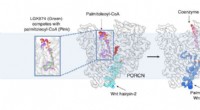
The research team, comprising experts from the University of Manchester, the University of Sheffield, and the University of Kent, employed a combination of cutting-edge techniques, including X-ray crystallography, spectroscopic methods, and computational modeling, to unravel the intricate details of methylcobalamin synthesis.
Their investigations revealed a remarkable molecular dance involving an enzyme named cobalamin synthase and a small molecule called adenosylcobinamide. This dance initiates a series of chemical transformations that lead to the formation of the essential methylcobalamin catalyst.
"Our findings provide an unprecedented level of understanding about how this crucial catalyst is made," says Professor William Shepard from the University of Manchester's School of Chemistry. "This knowledge opens new doors for manipulating the process and potentially optimizing methane production for cleaner and more efficient energy sources."
The researchers believe that manipulating the cobalamin synthase enzyme and the adenosylcobinamide molecule could pave the way for more controlled and efficient methane production. This, in turn, could have significant implications for reducing methane emissions and improving energy security.
"This discovery has the potential to revolutionize our approach to methane production and utilization," says Professor Richard Bruton from the University of Sheffield's Department of Animal and Plant Sciences. "By understanding how this catalyst is made, we can now explore new avenues for controlling and harnessing its power for a more sustainable future."
The findings mark a major milestone in the understanding of methane catalyst formation and offer exciting prospects for advancing sustainable energy technologies and mitigating climate change. Further research and exploration are needed to translate these discoveries into practical applications and explore their full potential for the benefit of society and the environment.