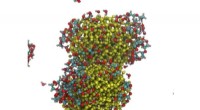
Curcumin's interaction with tubulin:
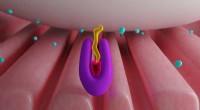
One of the key findings from the crystal structure analysis is that curcumin binds to tubulin, a protein essential for the formation and function of microtubules. Microtubules play a crucial role in various cellular processes, including cell division, intracellular transport, and maintaining cell shape. By binding to tubulin, curcumin disrupts microtubule dynamics, leading to cell cycle arrest and inhibition of cancer cell proliferation.
Inhibition of angiogenesis:
Angiogenesis, the formation of new blood vessels, is a critical process for tumor growth and metastasis. Curcumin has been found to inhibit angiogenesis by targeting the vascular endothelial growth factor (VEGF) signaling pathway. VEGF is a key regulator of angiogenesis, and by blocking its activity, curcumin can prevent the formation of new blood vessels that would supply nutrients and oxygen to the tumor.
Induction of apoptosis:
Apoptosis, or programmed cell death, is a natural process by which damaged or unwanted cells are eliminated from the body. Curcumin has been shown to induce apoptosis in cancer cells through various mechanisms, including the activation of pro-apoptotic proteins and the inhibition of anti-apoptotic proteins. By triggering apoptosis, curcumin promotes the self-destruction of cancer cells.
Modulation of immune response:
Curcumin also modulates the immune response, enhancing the body's ability to recognize and eliminate cancer cells. It has been found to stimulate the production of immune cells, such as natural killer cells and macrophages, which play a crucial role in anti-tumor immunity. By strengthening the immune system, curcumin helps the body combat cancer more effectively.
While the crystal structure analysis provides valuable insights into the molecular interactions of curcumin with key cellular targets, it's important to note that curcumin's effects can be complex and may vary depending on the type of cancer and the specific context. Further research is needed to fully understand the therapeutic potential of curcumin and its implications for cancer treatment.