A team of researchers from the University of California, San Francisco (UCSF) has discovered new evidence on how cholesterol gets moved from high-density lipoproteins (HDLs) to low-density lipoproteins (LDLs). This finding could lead to new treatments for cardiovascular disease, which is the leading cause of death worldwide.
Background
HDLs are often called "good cholesterol" because they help remove cholesterol from the arteries and transport it to the liver, where it can be broken down and removed from the body. LDLs, on the other hand, are often called "bad cholesterol" because they can build up in the arteries and cause them to narrow, which can lead to heart attacks and strokes.
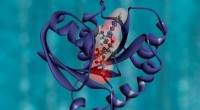
The process of cholesterol transport between HDLs and LDLs is complex and not fully understood. However, it is known that a protein called CETP plays a key role in this process. CETP helps to transfer cholesterol from HDLs to LDLs, and it is thought that this process may contribute to the development of cardiovascular disease.
The Study
The UCSF researchers conducted a study to investigate the role of CETP in cholesterol transport. They used a mouse model to study the effects of CETP inhibition on cholesterol levels and cardiovascular disease risk.
The researchers found that CETP inhibition reduced LDL cholesterol levels and increased HDL cholesterol levels in mice. They also found that CETP inhibition reduced the risk of atherosclerosis, which is the buildup of plaque in the arteries.
Implications
The findings of this study suggest that CETP inhibition could be a potential new treatment for cardiovascular disease. By reducing LDL cholesterol levels and increasing HDL cholesterol levels, CETP inhibition could help to prevent the buildup of plaque in the arteries and reduce the risk of heart attacks and strokes.
Further research is needed to confirm the findings of this study and to determine the safety and efficacy of CETP inhibition in humans. However, this study provides promising new evidence that CETP inhibition could be a potential new treatment for cardiovascular disease.
Source
* [New Evidence on How Cholesterol Gets Moved from HDLs to LDLs](https://www.ucsf.edu/news/2023/02/422816/new-evidence-how-cholesterol-gets-moved-hdls-ldls)