*Scientists at the SLAC National Accelerator Laboratory have discovered that soil bacteria use a previously unknown chemical process to break down organic matter.*
The findings, published today in the journal Nature Microbiology, could have implications for understanding the global carbon cycle and for developing new biofuels.
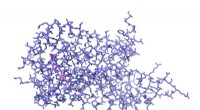
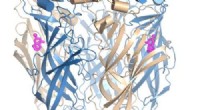
The researchers used X-ray crystallography to study the structure of an enzyme produced by the soil bacterium Sphingomonas wittichii. They found that the enzyme, called cytochrome P450 monooxygenase (CYP450), is able to break down a variety of organic compounds, including hydrocarbons, alcohols, and ketones.
CYP450 enzymes are typically found in animals and plants, where they play a role in breaking down toxins and metabolizing drugs. This is the first time that a CYP450 enzyme has been found in a soil bacterium.
The discovery of CYP450 in soil bacteria suggests that these microorganisms play a more important role in the global carbon cycle than previously thought. The carbon cycle is the process by which carbon atoms move through the Earth's atmosphere, oceans, and land. It is a critical process for regulating the Earth's climate.
Soil bacteria break down organic matter in the soil, releasing carbon dioxide into the atmosphere. The carbon dioxide can then be taken up by plants, which use it to photosynthesize and grow. The carbon cycle is a continuous process that helps to maintain the Earth's climate.
The discovery of CYP450 in soil bacteria could also lead to the development of new biofuels. Biofuels are fuels that are produced from renewable resources, such as plants and microorganisms. CYP450 enzymes could be used to break down plant matter and produce biofuels more efficiently.
The findings of this study have the potential to significantly impact our understanding of the global carbon cycle and the development of new biofuels. Further research is needed to explore the role of CYP450 enzymes in soil bacteria and to develop new technologies that can use these enzymes to break down organic matter and produce biofuels.