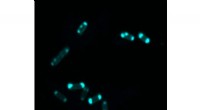
Biodegradation Potential: Certain bacteria possess the ability to break down and degrade atrazine, converting it into less harmful or non-toxic compounds. Understanding the metabolic pathways and enzymes involved in this process can help scientists develop bioremediation strategies using bacteria to clean up atrazine-contaminated sites.
Microbial Diversity: Examining the diverse microbial communities in environments affected by atrazine contamination can provide clues about the natural attenuation processes that occur. Some bacteria may have evolved adaptations that enable them to survive and even thrive in the presence of atrazine, providing insights into their potential for bioremediation.
Enhanced Biodegradation: Researchers can explore ways to enhance the biodegradation capabilities of bacteria by optimizing environmental conditions, adding nutrients or electron donors, or genetically modifying bacteria to improve their efficiency in degrading atrazine.
Role of Microbial Consortia: Atrazine degradation is often not accomplished by a single bacterial species but rather by a consortium of different microorganisms working together. Investigating these microbial interactions and synergistic effects can help design more effective bioremediation strategies that harness the collective capabilities of bacterial communities.
Tolerance and Resistance Mechanisms: Some bacteria may exhibit tolerance or resistance to atrazine's toxic effects. Studying the mechanisms behind this resilience can help researchers develop strategies to protect or cultivate these bacteria for bioremediation efforts.
Metagenomic Analysis: Modern techniques like metagenomic sequencing allow scientists to analyze the entire genetic material present in a microbial community. This approach can uncover novel enzymes and pathways involved in atrazine degradation, leading to the discovery of new strains with promising bioremediation potential.
By studying the interactions between bacteria and atrazine contamination, we can harness nature's own mechanisms to develop innovative and sustainable solutions for addressing the challenges posed by this persistent environmental pollutant.