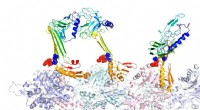
1. Carbon Dioxide Scrubbers: These are devices that remove carbon dioxide from the air. They use a chemical process, such as absorption, adsorption, or catalytic conversion, to capture and store carbon dioxide molecules. Some common types of carbon dioxide scrubbers used in spacecraft include lithium hydroxide (LiOH) scrubbers, molecular sieve scrubbers, and amine-based scrubbers.
2. Oxygen Generation Systems: Some spacecraft employ oxygen generation systems that remove carbon dioxide as a byproduct of oxygen production. These systems use electrolysis or other processes to split water molecules into oxygen and hydrogen. During this process, the hydrogen is used as fuel, while the oxygen is released into the cabin.
3. Ventilation and Air Circulation Systems: Proper ventilation and air circulation help to distribute and mix the cabin air, reducing the concentration of carbon dioxide in any particular area. Air circulation fans and ventilation ducts can be used to move the air around and promote uniform mixing.
4. Plants: Some spacecraft experiments and concepts have involved using plants to absorb carbon dioxide and release oxygen as part of photosynthesis. Plants can be integrated into the spacecraft's life support systems to contribute to air revitalization.
5. Carbon Dioxide Sensors and Monitoring: Spacecraft are equipped with sensors to continuously monitor the levels of carbon dioxide in the cabin air. This allows the crew to track the air quality and take appropriate measures to maintain a safe and habitable environment.
By combining these methods, spacecraft can effectively control and remove carbon dioxide from the air, ensuring the health and safety of the astronauts during space missions.