Polymers are long chains of repeating units that are widely used in various industries, including plastics, textiles, and healthcare. In recent years, there has been growing interest in developing polymers that can interact with biological systems for biomedical applications.
The newly developed polymers, called supramolecular polymers, are made up of small molecules that self-assemble into larger structures. These polymers have unique properties that enable them to interact with cells in a variety of ways.
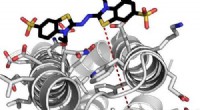
For example, the researchers showed that one type of supramolecular polymer could bind to a specific protein on the surface of cancer cells. This interaction led to the death of cancer cells, demonstrating the potential of these polymers for targeted cancer therapy.
Another type of supramolecular polymer could form a protective coating around cells, shielding them from harmful environments or immune responses. This property could be useful for tissue engineering and regenerative medicine, where it is important to protect transplanted cells from rejection.
The researchers also found that supramolecular polymers could be used to control the movement of cells. By altering the properties of the polymers, they were able to direct cells to migrate in specific directions, which could be beneficial for wound healing and tissue repair.
These new supramolecular polymers represent a promising class of materials for biomedical applications. Their ability to interact with cells in a variety of ways opens up new possibilities for manipulating cellular processes and treating diseases. Further research is needed to explore the full potential of these polymers and to develop practical applications based on their unique properties.