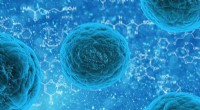
A micelle is a self‑assembled, spherical aggregate formed by amphipathic molecules—those that possess a hydrophilic (polar) head and a hydrophobic (non‑polar) tail. The hydrophobic tails congregate in the core, shielded from water, while the hydrophilic heads face outward, interacting with the aqueous environment. This arrangement is fundamental to many biological processes, notably the digestion and absorption of dietary fats and fat‑soluble vitamins in the intestine.
Amphipathic molecules such as fatty acids, soaps, and phospholipids can assemble into micelles. The driving force is the polarity mismatch: water‑friendly heads seek contact with water, whereas water‑averse tails retreat inward. The result is a stable, spherical structure that can migrate through the aqueous milieu.
Phospholipids contain two hydrophobic tails and therefore tend to form bilayer membranes rather than micelles, because a single‑layer core would be overcrowded. Fatty acids, with only one tail, readily form micelles, which is why they are the predominant species in intestinal fat absorption.
During digestion, dietary triglycerides are broken down into monoglycerides and free fatty acids. These hydrophobic molecules spontaneously incorporate into micelles formed in the lumen of the small intestine. Micelles continuously dissociate and reform; when they reach the brush border of enterocytes, the monoglycerides and fatty acids are released and diffuse across the cell membrane. The micelle also transports fat‑soluble vitamins (A, D, E, K) and cholesterol to the intestinal epithelium for uptake.
Micelle formation only occurs when the concentration of amphipathic molecules exceeds a threshold known as the critical micelle concentration. Below this level, molecules prefer to reside at the air–water interface, with tails pointing upward. Once the CMC is surpassed, additional molecules contribute to micelle growth, enhancing the efficiency of solubilization and transport.