Jacob Ammentorp Lund/iStock/GettyImages
Lactic acid fermentation produces ATP in the absence of oxygen, relying solely on glycolysis.
During anaerobic conditions, both animals and bacteria generate ATP by converting glucose into two lactate molecules, which combine with hydrogen to form lactic acid. This pathway supplies essential energy when aerobic respiration is unavailable.
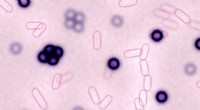
In the manufacture of fermented foods, anaerobic microbes—particularly lactobacilli—metabolize sugars to produce lactic acid, imparting characteristic tangy flavors and extending shelf life. Yogurt, sourdough, pickles, and cured meats are classic examples.
During high‑intensity exercise, oxygen demand outpaces delivery, prompting muscle cells to rely on anaerobic glycolysis for rapid ATP production. The resulting lactic acid accumulation can trigger muscle fatigue and cramps.
Lactic acidosis, an excess of lactic acid in the bloodstream, manifests as muscle pain, nausea, and weakness. While strenuous activity is the most common trigger, underlying liver dysfunction, certain medications, and malignancies can also precipitate the condition.
Strategies to mitigate lactic acidosis include progressive training to enhance aerobic capacity, maintaining hydration, and practicing rhythmic breathing during exertion. If symptoms arise, reduce intensity and allow recovery.