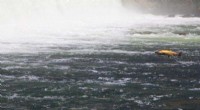
Cladophora is a filamentous green algae, often called "pin cushion algae," with brownish‑green, wiry filaments that can reach 3–4 inches, occasionally longer. While some species thrive in the oceans, most are freshwater inhabitants of shallow lakes and streams, attaching to rocks or vegetation. In turbulent waters, their filaments coil into dense masses commonly referred to as marimo balls—although true marimo have been re‑classified after genetic studies.
In freshwater ecosystems, Cladophora serves multiple ecological functions. It provides habitat and food for fish and invertebrates, offers UV protection, and acts as a carbon sink during photosynthesis. In Southeast Asia, it is prized as a delicacy known as "Mekong weed." However, certain species, notably Cladophora glomerata, can become problematic in large blooms. These mats clog fishing nets, accumulate on shorelines where they decompose, emitting odors reminiscent of raw sewage, and can amplify invasive mussel populations that attract seabirds. The resulting bacterial proliferation may reduce recreational value and local property prices.
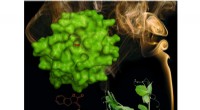
Chloroplasts are specialized organelles that convert sunlight into chemical energy, enabling photoautotrophic organisms—plants, algae, and cyanobacteria—to transform carbon dioxide and water into oxygen and sugars. The green hue of chloroplasts comes from chlorophyll a and b, which absorb light during the light‑dependent reactions of photosynthesis.
Unlike the cone‑shaped chloroplasts typical of terrestrial plants, green algae exhibit a wide variety of shapes, including round, oval, spiral, cup‑shaped, and star‑shaped forms. In Cladophora, chloroplasts are parietal—positioned adjacent to the cell wall—and reticulate, meaning they form a network of tiny, cylindrical chloroplasts that interconnect to maximize light capture. This unique arrangement enhances photosynthetic efficiency in the often low‑light environments of shallow freshwater habitats.
Images: Jupiterimages/Photos.com/Getty Images

![Dog Breed & Behavior: Separating Fact from Fiction | [Your Brand Name]](https://www.scienceaq.com/article/uploadfiles/202210/2022102023561850_S.jpg)