Dianne Hermance | Updated August 30, 2022
Coral reefs are remarkable ecosystems crafted by symbiotic invertebrate corals and their partner algae, zooxanthellae. The dazzling hues we see are the result of two complementary processes: chlorophyll from the algae and fluorescent pigments encoded by coral genes. The interplay between light penetration and these biological mechanisms produces the wide array of blues, purples, greens, reds, and pinks that characterize healthy reefs.
Coral colors stem from algae chlorophyll and coral‑encoded fluorescent pigments. These pigments also act as a natural sunscreen, protecting reefs from bleaching.
Corals belong to the phylum Cnidaria, sharing ancestry with jellyfish and sea anemones. Their colors range from muted green‑brown tints—attributable to zooxanthellae—to vivid, saturated shades produced by fluorescent proteins (FPs). These proteins absorb and re‑emit light at specific wavelengths, giving corals their striking green, cyan, and red tones. Research indicates that FPs serve as a sunscreen, mitigating ultraviolet damage and reducing the risk of bleaching in shallow, sun‑intense environments.
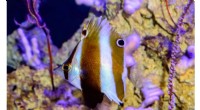
Brightly coloured reefs provide camouflage for reef fish, allowing them to blend seamlessly into the complex backdrop of coral architecture. This adaptive coloration reduces predation risk. In contrast, during bleaching events, fish lose this camouflage and become more visible, underscoring the ecological importance of coral pigmentation.
Coral bleaching occurs when stressed corals expel their zooxanthellae, revealing the pale skeleton beneath. This loss removes up to 90% of the sugars that corals obtain from their symbiotic algae, leading to starvation and mortality if the relationship is not restored. Some corals exhibit a form of “colorful bleaching,” where fluorescent pigments remain visible even after algae loss. Scientists believe this response reflects a milder stress level and may help corals re‑establish symbiosis more quickly.
Corals are broadly categorized into hard and soft varieties. Hard corals, which build the reef framework, include genera such as Acropora, Montipora, Porites, and Pocillopora. Common morphologies found in reefs encompass branching, sub‑massive, table, elkhorn, encrusting, massive, and mushroom corals. Soft corals, lacking a rigid skeleton, include sea whips and sea fans. Reef habitats vary from fringing reefs near coastlines to barrier reefs separated by deeper channels, and to atolls—ring‑shaped structures often surrounding submerged islands.
With coral reefs supporting over a quarter of oceanic biodiversity, understanding their coloration and the stresses that threaten them is crucial for conservation and management strategies.