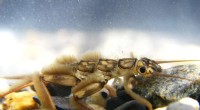
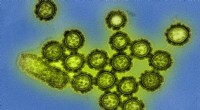
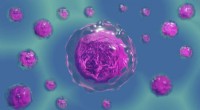
Marine biology is the scientific study of life, behavior, and ecosystems in saltwater environments—our oceans and seas. From towering kelp forests that stretch for miles to the playful dolphins that navigate coastal waters, marine biologists examine every facet of marine life, including microscopic organisms that thrive in saline habitats. The discipline often intersects with other fields, such as geology when studying volcanic hydrothermal vents or chemistry when analyzing oceanic pollutants.
While “marine biologist” may not appear as a job title on a résumé, the skills earned in this field open doors to a wide range of roles. Depending on one’s interests and expertise, a marine biology degree can lead to research, conservation, health sciences, education, or even engineering positions.
Researchers design experiments, conduct fieldwork aboard research vessels, collect samples, and analyze data to deepen our understanding of marine ecosystems. They publish findings in scientific journals and present results at conferences.
Conservation biologists assess the impacts of climate change, pollution, and human activity on marine habitats. They develop strategies to protect vulnerable species and advise governments and industry on sustainable practices.
Marine veterinarians treat diseases in marine mammals, while marine medical researchers explore bioactive compounds from seaweed and other organisms that may have pharmaceutical applications.
Graduates can also pursue careers as professors, marine educators, zoo or aquarium staff, ocean engineers, and policy advisors. The breadth of the field means that passion for math, chemistry, physics, ecology, or medicine can all find a place within marine biology.
For students and enthusiasts eager to explore marine science firsthand, a variety of science kits offer engaging, educational experiments. Each kit is designed to teach key concepts—from ecosystem dynamics to evolutionary biology—through interactive, hands‑on activities.
Perfect for aspiring conservationists, this kit explores biodegradable plastics and models different ocean zones through over 20 experiments. It provides foundational knowledge for protecting marine environments.
Available on Amazon
This starter kit introduces ocean ecosystems with specimens, salts, sands, and a shell identification guide. It’s an excellent tool for learning about marine species and the various ocean zones.
Available on Amazon
Sharks evolved roughly 450 million years ago—about 100 million years before the first trees appeared. This kit lets learners act as marine archaeologists, excavating shark teeth to study these ancient predators.
Available on Amazon
For those fascinated by marine fauna, this kit offers a range of specimens—from shark teeth to sea snail shells and claim shells—displayed safely in a viewing box.
Available on Amazon
Explore the unique environment of a turtle lagoon with interactive materials that simulate the habitat and behaviors of sea turtles.
Available on Amazon
We may receive a commission on purchases made through the links above.