Louis Pasteur was born on 27 December 1822 in Dole, France. The son of a sergeant major, he grew up with a strong sense of patriotism, though he was only an average student as a child. Despite a talent for drawing and painting—works now displayed at the Pasteur Institute—his curiosity eventually drew him to the sciences.
After attending primary school in Arbois and secondary school in Besançon, Pasteur entered the École Normale Supérieure in Paris in 1843. He earned degrees in chemistry, physics, and mathematics, and by 1848 he was appointed professor of chemistry at the University of Strasbourg.
Pasteur married Marie Laurent in 1849. The loss of three of their five children to illness deeply influenced his lifelong commitment to understanding disease.
Pasteur's first major contribution—though not widely known—was the discovery of molecular asymmetry. By studying the light‑scattering properties of tartaric acid in wine, he demonstrated that chemically identical molecules could exist as mirror‑image “left‑handed” and “right‑handed” forms.
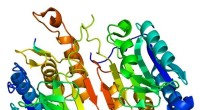
He further observed that all biologically active molecules are left‑handed, a finding that proved crucial for the development of modern crystallography and the understanding of protein structure.
Prior to Pasteur, many believed in spontaneous generation: that life could arise from non‑living matter. Pasteur refuted this idea with elegant experiments showing that food spoilage and disease result from microbes present in the air.
His work with sterile broths and fermentation proved that microbes are living organisms that require specific conditions, laying the groundwork for germ theory.
In his pioneering studies of fermentation, Pasteur showed that yeast—a living organism—drives the conversion of sugars to alcohol and lactic acid. By demonstrating that aeration halted fermentation, he confirmed that oxygen‑free conditions are essential for certain microbes, and that different microbes mediate distinct fermentation pathways.
Pasteur was not the first to suggest microbes could cause disease, but he was the first to provide compelling evidence. His experiments with beef broth revealed that spoilage occurred only when the broth was exposed to airborne microbes, establishing a causal link between microbes and disease.
By identifying specific pathogens—such as the bacterium responsible for anthrax—he offered a scientific foundation for preventing illnesses that had plagued humanity for centuries.
Pasteur applied his insights to protect France’s vital wine industry. By heating wine to 55 °C (131 °F) just enough to kill spoilage bacteria without damaging the product, he invented pasteurization, a process now standard worldwide.
He also tackled the silkworm plague that threatened France’s silk trade, isolating a parasitic worm and eliminating the disease with the help of his wife, thereby preserving an essential sector of the economy.
In 1880, at age 58, Pasteur developed the first live‑attenuated vaccine using chicken cholera. The technique—injecting animals with a weakened form of a pathogen—proves immunity without causing disease.
He extended this principle to create vaccines against anthrax and rabies, the latter proving that vaccines could protect against viral as well as bacterial diseases. Pasteur’s work earned him the title “father of microbiology” and laid the foundations of preventive medicine.
Pasteur’s rigorous experiments and profound insights saved countless lives. Historians estimate that his contributions to vaccines and food safety have saved more human lives than any other scientist in history. His legacy endures in the Pasteur Institute, in modern microbiology, and in everyday practices that keep our food safe.