Eliks/Shutterstock
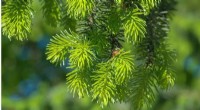
Many homeowners plant ferns hoping to deter ticks, believing that deer—the primary carriers of ticks—will avoid these nutrient‑poor, unpalatable plants. While that logic holds in some situations, recent observations show that ferns can actually become ideal tick habitats.
Unlike deer, small mammals such as squirrels, mice, and other rodents seek the cool, shaded niches ferns provide. Ticks, which readily attach to any warm‑blooded host, take advantage of this by hitching rides on these rodents. Moreover, the dense, low‑lying fronds of ferns create perfect “perches” for ticks to wait in ambush, ready to latch on to anyone who brushes past.
Ticks thrive in warm, humid micro‑climates. Ferns form miniature ground‑level canopies that trap moisture and heat beneath their interwoven fronds, creating a haven for ticks. Some fern species are evergreen, offering a refuge for ticks even during freezing winters. Consequently, while ferns may repel deer, they can inadvertently support tick populations.
Although you can mitigate tick problems in fern‑grown areas, it may be prudent to reconsider their placement in your landscape.
JulieK2/Shutterstock
Ticks are vectors for several serious diseases. Lyme disease, transmitted by the black‑legged tick (deer tick), can lead to nerve damage and facial palsy if left untreated. Other tick‑borne illnesses include anaplasmosis, tularemia, babesiosis, and even alpha‑gal syndrome, an allergy to red meat. Every state in the continental U.S. hosts at least one tick‑borne pathogen, though the specific risks vary by region.
Effective management begins with disrupting the tick’s preferred habitat. Regularly trimming ferns creates gaps in the canopy, allowing sunlight and airflow to dry the soil beneath and reduce humidity. If your ferns are in shaded spots—along house sides, in alleyways, or under trees—consider relocating them to sunnier, well‑ventilated areas.
Other low‑lying plants that retain moisture should also be trimmed or removed. In their place, choose species that deter ticks, such as lemongrass, sage, lavender, mint, juniper, or onion grass. These plants emit compounds that repel ticks or make the environment less favorable for them. By eliminating tick‑friendly habitats and favoring deterrent species, you can maintain a safer outdoor space.