By Marie‑Luise Blue
Updated Aug 30, 2022
Living cells fall into two broad categories: prokaryotes and eukaryotes. For roughly two billion years, only prokaryotes populated the planet. The defining distinction is that eukaryotes possess a true nucleus, while prokaryotes do not. In the scientific lexicon, "pro" means "before" and "eu" means "true," with "karyote" referring to the nucleus. Current biological evidence supports a model in which complex eukaryotes evolved from simpler prokaryotic ancestors.
Most prokaryotes are bacteria, whereas animals, plants, fungi, and humans are eukaryotes. A prokaryotic cell contains a single plasma membrane that encloses its contents. Eukaryotic cells also have a plasma membrane but additionally host numerous membrane‑bound organelles. Both cell types share a lipid‑bilayer membrane architecture. The internal membrane systems of eukaryotes likely originated when a large prokaryote engulfed smaller ones, a process described by the endosymbiotic theory.
Both prokaryotes and eukaryotes carry DNA that directs cellular function. They share an identical genetic code, but the organization differs: prokaryotic DNA is typically naked, circular, and not associated with histone proteins, whereas eukaryotic DNA is linear, packaged with histones, and confined within a nucleus.
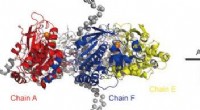
Ribosomes—protein–RNA complexes that synthesize proteins—are present in all cells. The same 20 amino acids are used for protein assembly across both groups, underscoring a shared biochemical heritage.
Eukaryotic cells contain mitochondria and, in plants, chloroplasts. These organelles resemble prokaryotes in size and structure. Mitochondrial inner membranes (cristae) mirror the folds seen in prokaryotic cells (mesosomes), both facilitating aerobic respiration, which yields more energy than anaerobic pathways. The endosymbiotic hypothesis posits that mitochondria arose when an anaerobic prokaryote engulfed an aerobic one, while chloroplasts originated from a similar acquisition of photosynthetic bacteria. Both organelles possess circular DNA and can function independently of the host cell.