1. Fish:
* Buoyancy: Fish have a swim bladder, a gas-filled sac that allows them to control their buoyancy. By adjusting the amount of gas in the swim bladder, they can rise or sink in the water. This is directly related to density.
* Streamlining: The shape of a fish's body is designed to reduce drag and allow them to move efficiently through water. Their streamlined bodies achieve this by minimizing the density of water they encounter.
2. Birds:
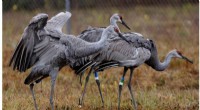
* Flight: Birds have evolved lightweight bones and hollow feathers that reduce their overall density. This is essential for them to achieve flight. Their wings are shaped to create lift, which also relies on density differences between air and the bird's body.
3. Marine Mammals:
* Diving: Whales and seals have evolved dense muscle and bones to help them dive deep. This increased density allows them to stay submerged for longer periods.
* Buoyancy: Their lungs also play a role in buoyancy. By collapsing their lungs, they can increase their density and sink deeper.
4. Insects:
* Water Striders: These insects have long, water-repellent legs that spread their weight over a large surface area, reducing their pressure on the water and allowing them to walk on the surface. This is directly related to the concept of density and pressure.
5. Sea Otters:
* Fur: Sea otters have incredibly dense fur that traps a layer of air, providing insulation and helping them float.
These are just a few examples, and many other animals utilize density in various ways. The principle of density is fundamental to life on Earth, enabling animals to move, breathe, and survive in diverse environments.