1. Storing Genetic Information:
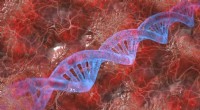
* DNA contains the genetic instructions needed to build and maintain an organism. These instructions are encoded in the sequence of its four nucleotide bases: adenine (A), guanine (G), cytosine (C), and thymine (T).
* This genetic information is passed down from parents to offspring, determining traits such as eye color, hair color, and height.
2. Directing Protein Synthesis:
* DNA serves as a template for the production of proteins, which are essential for almost all biological processes.
* The genetic code within DNA is transcribed into messenger RNA (mRNA), which then travels to ribosomes, where proteins are assembled.
3. Cellular Replication:
* During cell division, DNA replicates itself, ensuring that each daughter cell receives a complete copy of the genetic information.
* This process is crucial for growth, development, and repair in organisms.
4. Adaptation and Evolution:
* DNA can undergo mutations, which are changes in its sequence.
* Some mutations are harmful, but others can be beneficial, providing the raw material for evolution.
* Over time, these beneficial mutations accumulate, leading to the diversification of life on Earth.
5. Regulating Gene Expression:
* Not all genes are active all the time. DNA contains regulatory elements that control which genes are turned on or off, depending on the needs of the cell and the organism.
* This regulation ensures that the right proteins are produced at the right time and in the right amount.
In summary, DNA is the central molecule of life, responsible for storing, transmitting, and expressing genetic information. It plays a fundamental role in every aspect of an organism's biology, from its development and growth to its adaptation and evolution.