Membrane-bound organelles:
* Nucleus: Eukaryotic cells have a true nucleus, enclosed by a double membrane, that contains the cell's genetic material (DNA). Prokaryotes lack a nucleus and their DNA is located in a region called the nucleoid, which is not membrane-bound.
* Mitochondria: These are the powerhouses of the cell, responsible for generating energy through cellular respiration. Prokaryotes do not have mitochondria.
* Endoplasmic reticulum (ER): A network of membranes that plays a role in protein synthesis, lipid metabolism, and detoxification. Prokaryotes lack ER.
* Golgi apparatus: A stack of flattened membrane-bound sacs that process and package proteins and lipids. Prokaryotes lack a Golgi apparatus.
* Lysosomes: These organelles contain enzymes that break down cellular waste products and engulf foreign materials. Prokaryotes lack lysosomes.
* Peroxisomes: Small organelles that break down fatty acids and detoxify harmful substances. Prokaryotes lack peroxisomes.
Other features:
* Cytoskeleton: A network of protein fibers that provides structural support and enables movement within the cell. Prokaryotes have a simpler cytoskeleton.
* Larger size: Eukaryotic cells are generally much larger than prokaryotic cells.
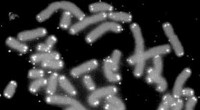
* Linear DNA: Eukaryotic DNA is linear and organized into chromosomes. Prokaryotic DNA is circular.
* More complex cell division: Eukaryotic cells undergo mitosis and meiosis for cell division. Prokaryotes divide through binary fission.
These differences reflect the evolutionary history of eukaryotic and prokaryotic cells. Eukaryotic cells are thought to have evolved from prokaryotic cells through a process called endosymbiosis. This process involved one prokaryotic cell engulfing another, leading to the development of organelles like mitochondria and chloroplasts.
In summary, eukaryotic cells are more complex and compartmentalized than prokaryotic cells, with specialized membrane-bound organelles and a more elaborate cytoskeleton. These differences have enabled eukaryotic cells to evolve into a wide range of organisms, including plants, animals, fungi, and protists.