Fundamental Observations:
* All living organisms are composed of cells. This is the cornerstone of cell theory, established in the 19th century.
* Cells are the basic unit of life. They carry out all the essential functions of life, such as metabolism, growth, reproduction, and response to stimuli.
* New cells arise only from pre-existing cells. This principle explains how life continues and differentiates.
Key Characteristics:
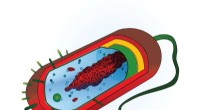
* Cells are highly organized structures. They contain specialized compartments (organelles) that perform specific functions.
* Cells are enclosed by a membrane. This selectively permeable barrier regulates what enters and leaves the cell.
* Cells contain genetic material (DNA). This blueprint dictates the cell's structure and function.
* Cells are dynamic entities. They constantly interact with their environment, taking in nutrients and releasing waste products.
Diversity and Specialization:
* Cells come in a wide variety of shapes and sizes. This reflects their diverse functions in different organisms.
* Cells can specialize. Through differentiation, cells develop unique structures and functions to contribute to the overall organism.
* Cells communicate with each other. This allows for coordinated activity and the formation of tissues, organs, and systems.
Beyond the Basics:
* Cells are complex biochemical factories. They carry out thousands of chemical reactions to sustain life.
* Cells are constantly evolving. Research reveals new insights into cellular processes, leading to advancements in medicine and biotechnology.
Overall, science has established that cells are the fundamental building blocks of life. They are highly complex, organized, and dynamic entities that exhibit a remarkable diversity and specialization. Understanding cells is crucial to understanding life itself and to addressing many challenges facing humanity, such as disease and environmental change.