Here's why:
* Diploid Organisms: Most multicellular organisms, including humans, are diploid. This means they have two sets of chromosomes.
* Homologous Chromosomes: One set of chromosomes comes from the mother and the other from the father. These chromosome pairs are called homologous chromosomes.
* Gene Loci: Each chromosome carries the same set of genes, but the versions of those genes (alleles) can be different. The specific location of a gene on a chromosome is called its locus.
* Gene Pairs: Since homologous chromosomes carry the same genes, each gene exists in two copies - one on each chromosome in the pair.
Example:
* Humans have 23 pairs of chromosomes.
* The gene for eye color is located on chromosome 15.
* You have two copies of the eye color gene, one on the chromosome 15 you inherited from your mother and one on the chromosome 15 you inherited from your father.
Important Note:
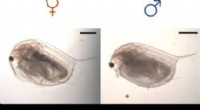
* Exceptions: There are some exceptions to this rule, such as sex chromosomes (X and Y). Females have two X chromosomes, while males have one X and one Y.
* Haploid Organisms: Some organisms, such as bacteria and some plants, are haploid, meaning they only have one set of chromosomes. In these organisms, genes are not paired.
Let me know if you'd like more details about how genes are inherited or how alleles interact!