1. Nucleus:
* Messenger RNA (mRNA): Transcribed from DNA in the nucleus, mRNA carries the genetic code from the nucleus to the ribosomes in the cytoplasm.
* Ribosomal RNA (rRNA): A major component of ribosomes, rRNA plays a structural and catalytic role in protein synthesis.
* Transfer RNA (tRNA): Found in the cytoplasm, tRNA brings amino acids to the ribosome during protein synthesis.
* Small nuclear RNA (snRNA): Involved in splicing pre-mRNA, removing introns and joining exons to create mature mRNA.
2. Cytoplasm:
* mRNA: Transported from the nucleus to the cytoplasm, mRNA serves as the template for protein synthesis.
* tRNA: Delivers amino acids to the ribosome.
* rRNA: Forms the core of the ribosomes, along with ribosomal proteins.
* MicroRNA (miRNA): Regulates gene expression by binding to mRNA, inhibiting translation or promoting degradation.
3. Other locations:
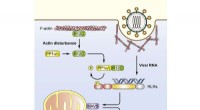
* Mitochondria: Contains its own distinct set of RNA, involved in mitochondrial protein synthesis.
* Chloroplasts (in plants): Contain their own RNA, crucial for photosynthesis.
Summary: RNA is found in both the nucleus and the cytoplasm, playing diverse roles in gene expression, protein synthesis, and other cellular processes. Its presence in mitochondria and chloroplasts highlights the essential functions of RNA beyond the nucleus.