1. Sensory Organs:
* Eyes: Detect light and form images, crucial for navigation, finding food, and recognizing threats.
* Ears: Detect sound waves, essential for communication, finding mates, and identifying potential predators.
* Nose: Detect chemicals in the air, important for smelling food, identifying potential mates, and avoiding dangers.
* Tongue: Detects taste, crucial for finding nutritious food and avoiding harmful substances.
* Skin: Contains receptors for touch, pressure, temperature, and pain, providing information about the immediate environment.
2. Specialized Cells:
* Photoreceptor cells: Found in the eyes, convert light into electrical signals that the brain interprets as images.
* Chemoreceptors: Located in the nose, mouth, and skin, detect chemicals in the environment and send signals to the brain.
* Mechanoreceptors: Found in the skin, muscles, and joints, respond to pressure, touch, and vibration.
* Thermoreceptors: Detect temperature changes in the environment, crucial for regulating body temperature.
* Nociceptors: Responsible for detecting pain, which serves as a warning system for potential harm.
3. Nervous System:
* Central Nervous System (CNS): Includes the brain and spinal cord, which process sensory information, formulate responses, and coordinate body functions.
* Peripheral Nervous System (PNS): Consists of nerves that connect the CNS to the rest of the body, transmitting sensory information and carrying out motor commands.
4. Other Adaptations:
* Antennae: In insects, antennae act as sensory organs detecting touch, smell, and taste.
* Lateral lines: In fish, these sense organs detect vibrations and pressure changes in the water.
* Electroreceptors: Found in some fish and marine mammals, these receptors detect electrical fields generated by other organisms.
* Echolocation: Used by bats, dolphins, and some birds to navigate and hunt using sound waves.
5. Behavioral Responses:
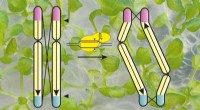
* Tropisms: Directional growth responses to environmental stimuli, like plants growing towards light.
* Taxes: Directional movement responses to stimuli, like moths flying towards light.
* Kinesis: Non-directional movement in response to a stimulus, like cockroaches scurrying away from a light.
These characteristics work together to allow organisms to perceive their environment and respond appropriately, ensuring their survival and successful reproduction.