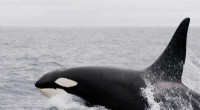
1. Biotic Factors: These are the living components of the environment. This includes:
* Other organisms: The presence or absence of other species, competition for resources, predators, prey, parasites, and diseases all play a role in an organism's life.
* Plants: The types of plants present can influence food sources, shelter, and even the climate of the area.
* Microorganisms: Bacteria, fungi, and other microscopic organisms are crucial for nutrient cycling and decomposition.
2. Abiotic Factors: These are the non-living components of the environment. This includes:
* Climate: Temperature, humidity, precipitation, sunlight, and wind patterns all affect the survival and distribution of organisms.
* Water: The availability of water is essential for all living things.
* Soil: The composition, pH, and nutrient content of soil are crucial for plant growth, which in turn affects other organisms.
* Topography: The shape and features of the land (like mountains, valleys, and elevation) can influence climate and habitat.
* Light: The amount of sunlight available can affect photosynthesis, plant growth, and animal behavior.
Together, these factors create a unique environment that shapes the adaptations, interactions, and ultimately the success of an organism.
In short, "all of the conditions surrounding an organism" refers to the entire ecosystem, including the living and non-living elements that interact to create a specific environment.