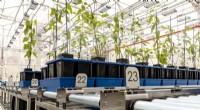
* Growth: Growth in multicellular organisms is primarily driven by an increase in cell number. Cells divide and multiply, adding to the overall size and mass of the organism.
* Development: As an organism develops, it differentiates into specialized cells and tissues. This process involves cell division and growth to form specific structures and organs.
* Repair and Renewal: Throughout life, cells are constantly being replaced as they age or become damaged. This process of cell division and renewal ensures the maintenance of tissues and organs.
Exceptions:
While cell division is essential for growth, there are some exceptions:
* Certain tissues: Some tissues, like muscle tissue, have limited cell division. Growth in these tissues primarily occurs through cell enlargement rather than increased cell number.
* Aging: As organisms age, their capacity for cell division may decrease, contributing to the decline in tissue function and overall size.
Conclusion:
Overall, the growth of most multicellular organisms is directly tied to cell division and the production of new cells. However, the rate and extent of cell division vary depending on the specific tissue and the organism's life stage.