Here's how tRNA works:
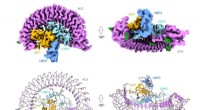
* Structure: tRNA has a cloverleaf shape with three important sites:
* Anticodon loop: This region contains a sequence of three nucleotides (anticodon) that recognizes and binds to a complementary codon on the mRNA.
* Amino acid attachment site: This site binds to a specific amino acid, determined by the tRNA's anticodon.
* Ribosome binding site: This site interacts with the ribosome during translation.
* Function:
1. Amino acid charging: tRNA molecules are first charged with their specific amino acid by an enzyme called aminoacyl tRNA synthetase.
2. Codon recognition: The charged tRNA then enters the ribosome and binds to the mRNA's codon that complements its anticodon.
3. Amino acid delivery: The tRNA delivers its amino acid to the ribosome, where it is added to the growing polypeptide chain.
4. Release and recycling: After delivering the amino acid, the tRNA detaches from the ribosome and can be recharged with another amino acid for subsequent rounds of translation.
In summary, tRNA acts as a bridge between the genetic code in mRNA and the amino acids that build proteins. Its ability to recognize specific codons and deliver corresponding amino acids is essential for the accurate translation of genetic information into functional proteins.