1. Oxygen Uptake:
* Gills: Fish obtain oxygen from the water using specialized organs called gills. These delicate structures have a large surface area with a rich blood supply, allowing for efficient gas exchange.
* Blood Transport: Oxygen diffuses from the water into the blood, where it binds to a protein called hemoglobin in red blood cells.
* Circulatory System: The heart pumps oxygenated blood throughout the body, delivering it to individual cells.
2. Cellular Respiration:
* Glycolysis: This process occurs in the cytoplasm of cells. It breaks down glucose (sugar) into pyruvate, generating a small amount of ATP (energy).
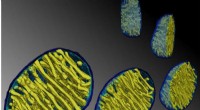
* Krebs Cycle: Pyruvate enters the mitochondria, where it is further broken down in the Krebs cycle. This cycle generates electron carriers (NADH and FADH2).
* Electron Transport Chain: The electron carriers deliver electrons to the electron transport chain, which is embedded in the mitochondrial membrane. This chain releases energy, which is used to pump protons across the membrane, creating a gradient.
* ATP Production: The proton gradient drives the production of ATP by ATP synthase, a protein complex that harnesses the flow of protons to make ATP.
3. Waste Products:
* Carbon Dioxide: Cellular respiration produces carbon dioxide as a byproduct.
* Excretion: Fish release carbon dioxide from their blood into the water via their gills.
Adapting to Water:
Fish have several adaptations that allow them to thrive in an aquatic environment:
* Gills: The highly efficient gill structure is essential for oxygen uptake in water.
* Countercurrent Exchange: The flow of water over the gills and the flow of blood within the gills are in opposite directions. This countercurrent exchange maximizes the diffusion of oxygen into the blood.
* Low Metabolic Rate: Some fish, particularly cold-water species, have lower metabolic rates, requiring less oxygen.
In summary: Fish use aerobic cellular respiration to convert food into energy, just like all other animals. They have adapted to their aquatic environment with specialized structures (gills) and efficient mechanisms for oxygen uptake and carbon dioxide release.