1. Biology and Medicine:
* Cell Structure and Function: Microscopes allow us to observe the intricate structures of cells, including organelles like the nucleus, mitochondria, and endoplasmic reticulum. This has led to a profound understanding of cellular processes like cell division, protein synthesis, and energy production.
* Disease Diagnosis and Research: Microscopes are essential for diagnosing diseases by examining tissues and fluids for pathogens like bacteria, viruses, and parasites. They also play a crucial role in research, enabling scientists to study disease mechanisms, test new drugs, and develop vaccines.
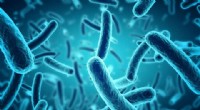
* Microbiology: Microscopes are vital for studying microorganisms like bacteria, fungi, and viruses. This has led to the development of antibiotics, antiviral drugs, and other treatments for infectious diseases.
* Pathology: Pathologists use microscopes to examine tissue samples to diagnose diseases, monitor disease progression, and assess the effectiveness of treatments.
2. Materials Science and Engineering:
* Material Characterization: Microscopes are used to analyze the microstructure and properties of materials, including metals, ceramics, polymers, and composites. This information is crucial for designing new materials with specific properties, improving existing materials, and understanding how materials fail.
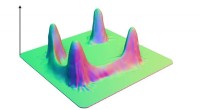
* Nanotechnology: Microscopes like the scanning electron microscope (SEM) and atomic force microscope (AFM) allow scientists to image and manipulate materials at the nanoscale. This has opened up new possibilities for developing advanced materials, electronics, and energy technologies.
3. Environmental Science:
* Pollution Monitoring: Microscopes are used to identify and quantify pollutants in air, water, and soil. This information is essential for assessing environmental health and developing strategies for pollution control.
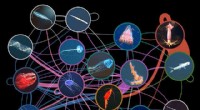
* Ecology: Microscopes enable researchers to study the structure and function of microscopic organisms in ecosystems, including plankton, algae, and bacteria. This knowledge is crucial for understanding food webs, nutrient cycles, and the overall health of ecosystems.
4. Archaeology and History:
* Artifact Analysis: Microscopes are used to examine artifacts, such as pottery, tools, and textiles, to gain insights into ancient cultures, technologies, and trade routes.
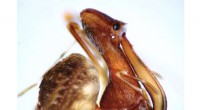
* Forensic Science: Microscopes are used to analyze evidence, such as fibers, hair, and pollen, in crime investigations.
5. Education and Research:
* Teaching and Learning: Microscopes are essential tools in education, allowing students to visualize the microscopic world and learn about the principles of biology, chemistry, and physics.
* Scientific Research: Microscopes are indispensable for research in all branches of science, from astronomy to zoology. They enable scientists to make new discoveries, test hypotheses, and develop new technologies.
In conclusion, the microscope's impact is immense and continues to grow as new technologies and applications are developed. It remains a fundamental tool for exploring the unseen world and driving scientific progress in diverse fields.