1. Diet and Nutrition:
* Food choices: Cultures have unique dietary habits. Some emphasize plant-based diets, others favor meat, and some have specific food combinations. These choices influence nutrient intake, affecting body composition, disease risk, and even gut microbiome composition.
* Malnutrition and obesity: Cultural factors can contribute to malnutrition in some communities or obesity in others due to food availability, access, and cultural norms around eating habits.
2. Physical Activity:
* Work and leisure: Cultural norms influence physical activity levels. Sedentary lifestyles are common in some cultures, while others prioritize manual labor or specific sports. This affects muscle mass, cardiovascular health, and overall fitness.
* Environmental exposure: Cultural practices, like living in mountainous regions, can influence physical adaptations related to altitude or specific physical demands.
3. Stress and Mental Health:
* Social structures: Cultural norms surrounding family, community, and social hierarchies can impact stress levels. Some cultures emphasize collectivism, while others prioritize individualism, which can influence coping mechanisms and mental well-being.
* Social support networks: Strong social support networks can buffer against stress and promote mental health. Cultural practices that foster social connections play a vital role in resilience.
4. Disease Transmission:
* Hygiene and sanitation: Cultural practices related to hygiene, sanitation, and food handling affect the spread of infectious diseases.
* Medical practices: Different cultures have varying approaches to healthcare and disease prevention, influencing disease prevalence and outcomes.
5. Evolution and Adaptation:
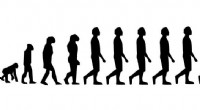
* Cultural evolution: While natural selection acts on genes, culture allows for faster adaptations. For instance, the development of agriculture led to significant changes in human physiology and genetic makeup.
* Epigenetics: Culture can influence gene expression through epigenetic changes, which are alterations in gene activity that are not related to DNA sequence. These changes can be passed down across generations.
In summary:
* Culture doesn't directly change genes but influences the environment we live in, shaping our biology.
* This influence occurs through diet, physical activity, stress, disease transmission, and even evolutionary pressures.
* The interaction between culture and biology is dynamic and complex, impacting our health, development, and even our evolution.
It's important to note that these influences are complex and interconnected. They vary across cultures and individuals, making it challenging to isolate the effects of specific cultural practices. Nonetheless, understanding the interplay between culture and biology is crucial for understanding human health and well-being.