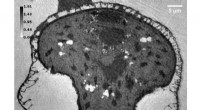
1. Cells: The basic units of the digestive system are cells, like epithelial cells lining the intestines, muscle cells in the stomach wall, and nerve cells controlling digestion.
2. Tissues: These cells work together to form tissues. For example:
* Epithelial tissue lines the digestive tract, protecting and absorbing nutrients.
* Muscle tissue helps move food along the digestive tract.
* Connective tissue provides support and structure.
* Nervous tissue coordinates digestive processes.
3. Organs: Different tissues come together to form organs:
* Stomach: A muscular organ that churns and mixes food.
* Small intestine: Where most digestion and nutrient absorption occur.
* Large intestine: Absorbs water and forms waste.
* Liver: Produces bile for fat digestion.
* Pancreas: Secretes enzymes and hormones for digestion.
4. Organ System: Finally, all these organs work together as the digestive system, a complex network responsible for breaking down food and absorbing nutrients.
This is a simplified example, but it highlights how cells are organized into tissues, tissues into organs, and organs into an organ system, showcasing the intricate and hierarchical nature of cellular organization in living organisms.