Ribosomes
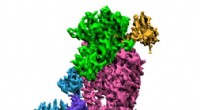
* Function: Ribosomes are the protein factories of the cell. They read the genetic code carried by messenger RNA (mRNA) and use it to assemble amino acids into proteins. These proteins perform a vast array of functions within the cell and the body.
Cytoplasm
* Function: The cytoplasm is the gel-like substance that fills the space between the cell membrane and the nucleus. It's a dynamic environment where many important cellular processes occur, including:
* Metabolic reactions: Chemical reactions that provide energy and build molecules.
* Transport: Movement of substances within the cell.
* Cellular signaling: Communication between different parts of the cell.
* Organelle support: Providing a medium for organelles to function.
Nucleus
* Function: The nucleus is the control center of the cell. It contains the cell's DNA, which carries the genetic instructions for building and maintaining the organism. Key functions include:
* DNA replication: Copying the DNA before cell division.
* Transcription: Creating RNA copies of DNA genes.
* Ribosome assembly: Producing ribosomal subunits that are essential for protein synthesis.
* Regulating cell activity: Controlling the expression of genes.
Mitochondria
* Function: Mitochondria are often called the "powerhouses" of the cell. They are responsible for generating energy (ATP) through cellular respiration. This process breaks down glucose (sugar) in the presence of oxygen to produce energy the cell can use. Mitochondria also play roles in:
* Apoptosis (programmed cell death): Mitochondria can release molecules that trigger cell suicide.
* Calcium signaling: They store and release calcium ions, which are important for cellular processes.
* Heat production: Mitochondria can produce heat in some cells.
In Summary:
* Ribosomes build proteins.
* Cytoplasm is the cellular "soup" where many processes happen.
* The nucleus is the cell's "brain" and DNA repository.
* Mitochondria are the "powerhouses" of the cell, generating energy.