* Organs: Organs are made up of different types of tissues working together. For example, the heart is an organ made of muscle tissue, connective tissue, and nervous tissue.
* Organ Systems: These are groups of organs that work together to perform a larger function. For example, the digestive system includes the stomach, intestines, and liver.
* Organisms: A complete living being, like a plant or animal, is made of many different organ systems.
* Cells: Individual cells are the building blocks of tissues, but they are not tissues themselves.
* Chemicals: While tissues are made of molecules, individual molecules like proteins, carbohydrates, and fats are not tissues.
* Body fluids: Blood, lymph, and other bodily fluids are not tissues. They are complex mixtures of cells and other components.
* Extracellular Matrix: This is the material that surrounds cells in tissues, providing structure and support. While essential for tissue function, it's not tissue itself.
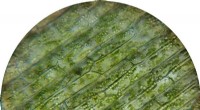
Key takeaway: A tissue is a group of similar cells that work together to perform a specific function. Anything that doesn't fit that definition is not a tissue.