How Germs Reproduce:
* Bacteria: These single-celled organisms reproduce asexually through a process called binary fission. Basically, one bacterium splits into two identical copies.
* Viruses: Viruses are not technically "living" in the same way bacteria are. They are essentially packages of genetic material (DNA or RNA) surrounded by a protein coat. Viruses can only reproduce by hijacking the machinery of a living cell, forcing it to create more viruses.
* Fungi: Fungi can reproduce both sexually and asexually. They often spread through spores, which are like tiny seeds that can travel through the air or water.
* Parasites: These organisms live inside or on other living things to survive. They reproduce in various ways depending on the specific type of parasite.
Where Germs Come From:
* Natural Environment: Many germs live naturally in soil, water, and air.
* Human and Animal Bodies: We all carry some germs on our skin and in our bodies, many of which are harmless.
* Food: Food can be contaminated with germs during production, processing, or storage.
* Water: Contaminated water can harbor dangerous germs like bacteria and viruses.
* Animals: Animals, especially pets, can carry germs that can be transmitted to humans.
Spread of Germs:
* Direct Contact: Touching an infected person or animal.
* Indirect Contact: Touching contaminated surfaces, such as doorknobs, keyboards, or toys.
* Droplets: Breathing, coughing, or sneezing can release droplets containing germs into the air.
* Food and Water: Eating or drinking contaminated food or water.
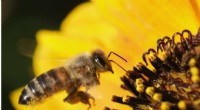
* Vectors: Insects, such as mosquitoes, ticks, and flies, can carry germs and transmit them to humans.
Important to Remember:
* Most germs are harmless, but some can cause illness.
* Good hygiene practices, like hand washing, can help prevent the spread of germs.
* Vaccinations can protect you from serious diseases caused by germs.
Let me know if you have any other questions about germs!