1. Natural Factors:
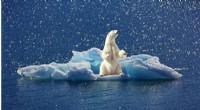
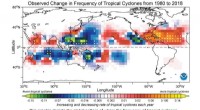
* Climate Change: Shifts in temperature, precipitation, and seasonal patterns can drastically alter the suitability of an area for certain species, causing populations to decline or relocate.
* Natural Disasters: Events like wildfires, floods, volcanic eruptions, or earthquakes can destroy habitats and decimate populations, leading to changes in the species present.
* Disease Outbreaks: Infectious diseases can spread rapidly through populations, causing significant declines or even extinctions.
* Competition: When species compete for resources like food, water, or space, the balance of the ecosystem can shift, leading to changes in species abundance.
* Predation: Increased or decreased predator populations can affect the prey populations, causing shifts in species abundance and diversity.
* Succession: Natural processes like wildfires or land clearing can initiate a series of ecological changes over time, leading to a gradual shift in the types of organisms present.
* Migration: Seasonal migrations or long-term shifts in species ranges can alter the composition of an area's organism population.
2. Human-Induced Factors:
* Habitat Loss and Fragmentation: Deforestation, urbanization, and agricultural expansion destroy and fragment habitats, reducing space and resources for organisms and isolating populations.
* Pollution: Air, water, and soil pollution can poison organisms, disrupt ecosystems, and alter the composition of species.
* Overexploitation: Overhunting, overfishing, and unsustainable harvesting practices can decimate populations of certain species.
* Invasive Species: The introduction of non-native species can outcompete native organisms, disrupt food webs, and alter the ecosystem structure.
* Climate Change (Anthropogenic): Human activities contribute to global warming, accelerating climate change and exacerbating its effects on ecosystems.
3. Combinations of Factors:
* It's important to note that changes in organism populations are often driven by complex interactions between natural and human-induced factors. For example, climate change can exacerbate the effects of habitat loss or pollution, leading to more severe consequences for biodiversity.
Understanding these causes is crucial for effective conservation efforts. By addressing human-induced factors and mitigating the effects of natural events, we can help maintain the balance and resilience of ecosystems for the benefit of all living organisms.