Here's why they are so closely related:
* Structure determines function: The shape and arrangement of body parts directly influence how they operate. For example, the intricate structure of the lungs, with their many tiny air sacs (alveoli), allows for efficient gas exchange.
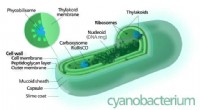
* Functional units: Organs are made up of tissues, tissues are made up of cells, and cells have specific structures that allow them to perform their unique functions. Understanding these structures helps explain how the organ as a whole works.
* Interdependence: The different systems of the body are interconnected and rely on each other. For example, the circulatory system delivers oxygen and nutrients to the muscles, which are then able to contract and move the body.
* Understanding health and disease: Knowledge of anatomy and physiology is essential for understanding how diseases develop, how the body responds to injury, and how medical treatments work.
In summary, anatomy and physiology are two sides of the same coin. Studying them together provides a comprehensive understanding of the human body, its functions, and how it interacts with the environment.