* Germs: This is a general term often used for microbes, which can include bacteria, fungi, protozoa, and some types of parasites.
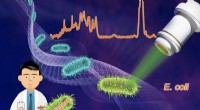
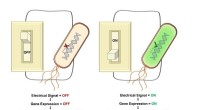
* Bacteria are unicellular organisms. They are prokaryotic, meaning they lack a nucleus and other membrane-bound organelles.
* Fungi can be both unicellular (like yeasts) and multicellular (like mushrooms).
* Protozoa are single-celled eukaryotic organisms (meaning they have a nucleus and other organelles).
* Parasites can be single-celled (like some protozoa) or multicellular (like worms).
* Viruses: Viruses are not considered cells at all. They are much simpler structures, consisting of a protein coat surrounding genetic material (DNA or RNA). They cannot reproduce on their own and require a host cell to replicate.
In summary:
* Germs can be either unicellular or multicellular, depending on the specific microbe.
* Viruses are not cells and therefore don't fit into either category.